guidelines for selecting the perfect bassoon for beginners
When embarking on the exciting journey of learning the bassoon, selecting the right instrument is crucial to your development as a musician. The bassoon, known for its rich, warm tones and unique character, can be an intimidating instrument for beginners due to its complexity and size. However, with the right guidelines, you can make an informed choice that sets you up for success. Here are some essential tips to guide you in selecting the perfect bassoon for beginners.
Understanding Your Needs
Before diving into the different types of bassoons available, it is important to assess your needs. Consider the following questions: What is your budget? Are you planning to play in a school band or orchestra? Will you need a portable instrument for travel? Understanding your requirements will help narrow down your options.
Types of Bassoons
There are two main categories of bassoons: student and professional models. Student bassoons are designed specifically for beginners, offering ease of playability and affordability. They often come with fewer keys and simpler mechanisms, making them less complicated for novices. Professional bassoons, on the other hand, feature more keys and advanced mechanisms, providing a wider range of tonal possibilities but can be more challenging for beginners. For most new learners, a student model is the best starting point.
People Also Look For:
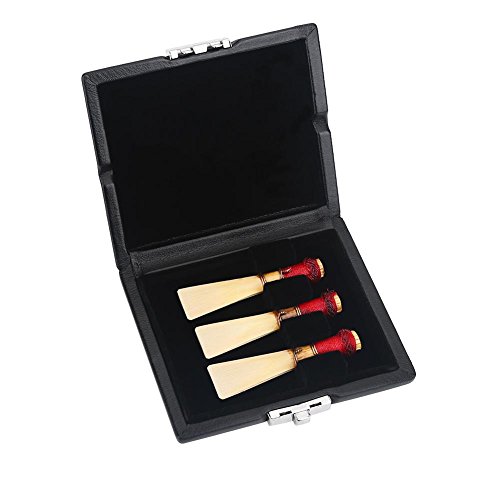
- Bassoon Reeds Case, PU Leather Cover Black Bassoon Reed Container Box Case with Slots replacement for 3pcs Reeds
- PU Leather Bassoon Reed Case Bassoon Reeds Case, Reeds Box Holder Black Reed Container Box Hold 3pcs for
- Italian Polka - Double Reed Quartet (SCORE): 2 Oboes + 2 Bassoons (Italian Edition)
- Original Rags - Double Reed Quartet (SCORE): 2 Oboes + 2 Bassoons (Italian Edition)
- Bassoon Reeds Jones Bassoon Reed Medium Soft Bamboo 5 Pcs Good Quality New Bassoon Reeds Reed Medium Instrument Accessories
Quality and Materials
When selecting a bassoon, the quality of materials used in its construction is paramount. Student bassoons are typically made from plastic or a lower grade of wood, which makes them lighter and less expensive. While these materials can be practical for beginners, investing in a wooden bassoon can offer a richer sound and better projection as you advance in your playing. Look for instruments made from well-seasoned wood, such as maple or rosewood, as they can provide superior tonal quality.
Comfort and Ergonomics
The bassoon is a larger instrument, and comfort is key for beginners who may be playing for extended periods. Make sure to handle different models and assess their weight and balance. An instrument that feels comfortable will encourage you to practice more. Pay special attention to the placement of the keys; they should be easily reachable and suitable for your hand size. If possible, try to play the instrument before making a purchase to ensure it feels right.
Testing the Instrument
When you find a bassoon that interests you, it is critical to test the instrument. Spend time playing various notes and scales to gauge its response and sound quality. Check for any mechanical issues, such as sticking keys or leaks, which can greatly affect playability. A well-maintained bassoon should produce a clear and consistent sound across all registers. If you are unsure about testing an instrument alone, consider bringing along a teacher or experienced player for guidance.
Seek Professional Advice
Engaging with a knowledgeable music teacher or professional bassoonist can provide invaluable insights into the selection process. They can help you identify suitable models based on your playing style and future aspirations. Additionally, they may have recommendations on reputable brands and retailers. Don’t hesitate to ask for their input as their experience can help avoid common pitfalls.
Consider Rental Options
If you are still uncertain about making a purchase, consider renting a bassoon to start. Many music shops offer rental programmes that allow you to try an instrument for a specific period. This can be a cost-effective way to experiment with different models and find your ideal fit without a long-term commitment. Renting also gives you the flexibility to upgrade as you progress in your skills.