exploring the unique tonal qualities and advantages of bassoons
The bassoon is a woodwind instrument that boasts an incredibly rich and distinctive tonal quality, making it a standout choice in both orchestral and solo performances. With its deep, reedy sound, the bassoon plays a pivotal role in many musical compositions, providing a unique voice that can convey a wide range of emotions. In this article, we will delve into the unique tonal characteristics of the bassoon and explore the various advantages that come with playing this remarkable instrument.
The Unique Sound of the Bassoon
The bassoon's sound is often described as warm, rich, and somewhat complex. Its range typically spans three and a half octaves, from the low Bb to the high A, allowing it to cover both bass and tenor lines effectively. The instrument's timbre can be both mellow and bright, allowing it to blend seamlessly with other orchestral instruments or stand out in a solo setting. This versatility is largely due to its unique construction, which uses a double reed to produce sound. The double reed allows for a wide palette of tonal colours, enabling the musician to express nuanced emotions through their performance.
Advantages of Playing the Bassoon
One significant advantage of the bassoon is its role in the orchestral setting. The instrument often provides harmonic support and depth to the ensemble. In many compositions, the bassoon plays crucial parts that enhance the overall texture of the music, allowing performers to explore intricate melodies while grounding the harmonic structure. This vital role makes the bassoon an excellent choice for musicians looking to contribute meaningfully to a group.
People Also Look For:
- Bassoon Reeds Jones Bassoon Reed Medium Soft Bamboo 5 Pcs Good Quality New Bassoon Reeds Reed Medium Instrument Accessories
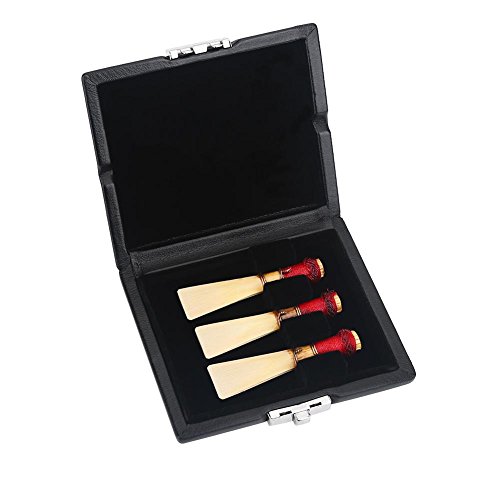
- PU Leather Bassoon Reed Case Bassoon Reeds Case, Reeds Box Holder Black Reed Container Box Hold 3pcs for
- Bassoon Reeds Case, PU Leather Cover Black Bassoon Reed Container Box Case with Slots replacement for 3pcs Reeds
- ROCHIX Leather Padding Oil for Musical Instruments for Clarinets, Flutes, Saxophones, Oboes, Bassoons, Woodwind Instruments 1.02 f...
- Italian Polka - Double Reed Quartet (SCORE): 2 Oboes + 2 Bassoons (Italian Edition)
Range and Versatility
Another advantage is the bassoon's extensive range, which not only allows it to play low bass lines but also to reach higher melodic passages. This versatility enables bassoonists to participate in various musical genres, from classical orchestral pieces to contemporary chamber music and even jazz. This broad applicability means that skills developed while playing the bassoon can often transfer to other instruments and musical contexts.
Expressive Capabilities
The bassoon's dynamic range is another feature that enhances its appeal. It can produce both soft, lyrical passages and powerful, commanding notes, offering musicians the ability to convey a wide array of emotions. This expressiveness is particularly advantageous in solo performances, where the bassoonist can showcase their individual style and interpretive skills. Students and professionals alike can take advantage of this expressive quality to develop their musical voices.
Physical Benefits of Playing the Bassoon
On a practical level, playing the bassoon can also offer physical benefits. The instrument requires proper posture and breath control, which can lead to improved respiratory function and overall physical awareness. Musicians must engage their core muscles to support their breath, promoting good posture and physical fitness. Additionally, the technical demands of playing the bassoon can enhance fine motor skills and coordination, which are beneficial in daily activities.
Learning Opportunities
For those considering taking up the bassoon, there are ample learning opportunities available. Many music schools and conservatories offer dedicated programmes for bassoonists, providing access to expert instruction and resources. Online tutorials and masterclasses have also become popular, enabling learners to connect with professional musicians from around the world. Engaging with the bassoon community through orchestras, ensembles, or local groups can also enrich the learning experience, providing opportunities for collaboration and performance.
Conclusion
The bassoon, with its unique tonal qualities and multifaceted advantages, stands as an exceptional instrument within the world of music. Its rich sound, versatility, and expressive capabilities offer musicians a unique opportunity to explore and develop their craft. Whether in orchestras or as soloists, bassoonists are well-positioned to make significant contributions to the musical landscape.