common pitfalls when learning to play the bassoon effectively
Learning to play the bassoon can be a rewarding yet challenging journey. This unique woodwind instrument offers a rich, warm sound that many find captivating. However, many beginners encounter specific pitfalls that can hinder their progress. By being aware of these common mistakes, you can navigate your learning journey more effectively and develop your skills with greater ease.
Neglecting Proper Assembly and Maintenance
One of the first mistakes beginners make is failing to understand the importance of proper assembly and maintenance of their bassoon. The bassoon is a complex instrument with many moving parts, and even minor errors in assembly can lead to significant issues down the line. Ensure you follow your teacher's guidance or refer to instructional videos to learn the correct way to assemble your instrument. Additionally, regular maintenance, including cleaning and checking for leaks, is crucial to keep your bassoon in optimal condition.
Ignoring Posture and Hand Position
Good posture and hand position are vital for any musician, but they are particularly important for bassoonists. Many beginners overlook this aspect, leading to tension and discomfort while playing. Ensure you sit up straight, with your feet flat on the ground. Your fingers should rest comfortably on the keys, and your wrists should remain relaxed. Practicing in front of a mirror can help you monitor your posture and hand placement, allowing for adjustments as necessary.
People Also Look For:
- Beeswax Cork Grease Set | 5ml &10ml Tins | 2 Handy Sizes | Sourced, Handmixed & Hand Packed in the UK | Safe & Effective Cork Lubr...
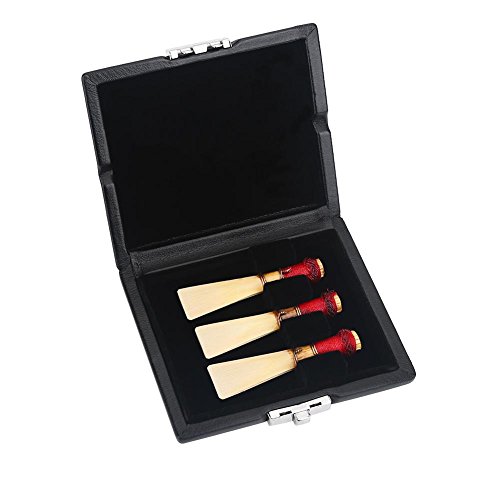
- Bassoon Reeds Case, PU Leather Cover Black Bassoon Reed Container Box Case with Slots replacement for 3pcs Reeds
- PU Leather Bassoon Reed Case Bassoon Reeds Case, Reeds Box Holder Black Reed Container Box Hold 3pcs for
- Italian Polka - Double Reed Quartet (SCORE): 2 Oboes + 2 Bassoons (Italian Edition)
- ROCHIX Leather Padding Oil for Musical Instruments for Clarinets, Flutes, Saxophones, Oboes, Bassoons, Woodwind Instruments 1.02 f...
Overlooking Breath Control
Breath control is a fundamental skill for all wind instrument players, yet it's often neglected by bassoon beginners. The bassoon requires a considerable amount of air support to produce a full, round tone. Spend time working on your breathing techniques, such as diaphragmatic breathing, to maximise your air capacity. Incorporating breath control exercises into your daily practice will help you develop the necessary strength and endurance to play longer phrases without straining.
Rushing Through the Basics
Many learners want to jump into playing complex pieces before mastering the fundamentals. This eagerness can lead to frustration and poor technique. Take the time to master basic scales, fingerings, and simple melodies. Focus on developing a strong foundation, as this will pay off in the long run. Regular practice of scales not only builds finger dexterity but also enhances your understanding of musical theory and improves your intonation.
Neglecting Listening Skills
Listening is a crucial skill for any musician, yet many beginners focus solely on playing their instrument. To develop your musicality, spend time listening to professional bassoonists and other musicians. This not only helps you understand the sound and style of the bassoon but also enhances your ability to identify pitch and rhythm. Attend concerts, listen to recordings, and try to play along with your favourite pieces to build your ear for music.
Failing to Set Realistic Goals
Setting goals is essential for progress, but many beginners make the mistake of setting unrealistic expectations. While it's great to aim high, remember that learning an instrument takes time and dedication. Break your goals down into manageable, achievable tasks. Focus on smaller objectives, such as mastering a particular scale or improving your breath control, and celebrate your progress along the way.
Not Seeking Feedback
Finally, one of the most common pitfalls is failing to seek feedback from teachers or more experienced players. Constructive criticism is invaluable for improvement. Regular lessons with a qualified teacher can provide you with tailored guidance and support. Additionally, joining a community of bassoonists can offer encouragement and insight, helping you to refine your skills and stay motivated.