contrasting student and professional bassoons for musicians
The bassoon is a vital woodwind instrument known for its rich timbre and unique range. For musicians, particularly students aspiring to master this captivating instrument, understanding the differences between student and professional bassoons is essential. This knowledge can guide you in making informed decisions when selecting an instrument that best suits your current skill level and future ambitions.
Construction and Materials
One of the most noticeable differences between student and professional bassoons is the quality of construction and materials used. Student bassoons are typically made from less expensive woods or sometimes synthetic materials, which can reduce the overall tonal quality and durability of the instrument. These bassoons usually feature a more straightforward design that is easier to manufacture, making them more affordable for beginners.
On the other hand, professional bassoons are crafted from high-quality woods, such as maple or grenadilla, which significantly enhance the instrument's sound quality. The craftsmanship in professional models often includes more intricate designs and a higher level of finish, resulting in a more open and resonant sound. Additionally, professional bassoons may have features like hand-crafted keys and a more ergonomic layout, providing a more comfortable playing experience.
People Also Look For:
- Italian Polka - Double Reed Quartet (SCORE): 2 Oboes + 2 Bassoons (Italian Edition)
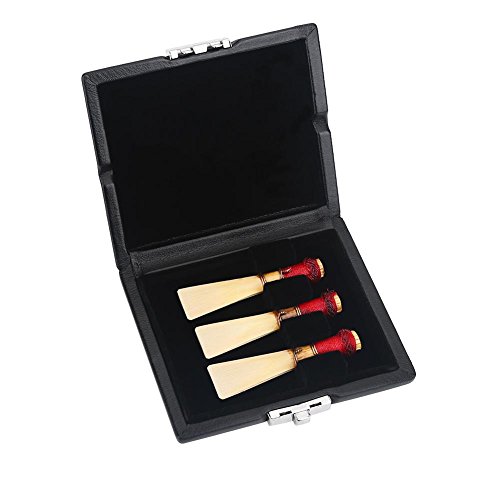
- Bassoon Reeds Jones Bassoon Reed Medium Soft Bamboo 5 Pcs Good Quality New Bassoon Reeds Reed Medium Instrument Accessories
- Original Rags - Double Reed Quartet (SCORE): 2 Oboes + 2 Bassoons (Italian Edition)
- Beeswax Cork Grease Set | 5ml &10ml Tins | 2 Handy Sizes | Sourced, Handmixed & Hand Packed in the UK | Safe & Effective Cork Lubr...
- ROCHIX Leather Padding Oil for Musical Instruments for Clarinets, Flutes, Saxophones, Oboes, Bassoons, Woodwind Instruments 1.02 f...
Sound Quality and Tone
The sound quality of an instrument is crucial for any musician, and this is where the contrast between student and professional bassoons becomes apparent. Student bassoons generally produce a more limited tone and are designed for ease of play rather than optimal sound quality. They can often be described as less vibrant, with a more focused but somewhat narrow tonal range.
In contrast, professional bassoons deliver a fuller, more nuanced sound. The materials and construction methods used in these instruments allow for a broader dynamic range and greater tonal richness. Musicians often notice the ability to produce a warm, full-bodied sound that can fill a concert hall, making professional bassoons the preferred choice for advanced players and orchestral musicians.
Key Mechanisms and Playability
Student bassoons typically have a simpler key mechanism designed for ease of use and maintenance. These instruments may lack some of the more advanced features found in professional models, such as articulated keys or alternate fingerings, which can limit the versatility of the instrument. This simplicity can be beneficial for beginners who are still developing their finger dexterity and overall technique.
In contrast, professional bassoons often come equipped with sophisticated key mechanisms that allow for a greater range of expression and technical capability. These instruments are designed to accommodate advanced playing techniques and provide more control over intonation and dynamics. While they may require a steeper learning curve, the benefits of playability and responsiveness are significant for musicians looking to elevate their skills.
Price Range and Investment
A considerable difference between student and professional bassoons lies in their price. Student models are generally more budget-friendly, typically ranging from 2,000 to 5,000, making them accessible for beginners and educational institutions. However, it is essential to remember that a student bassoon may not offer the same longevity or sound quality as a professional model.
Professional bassoons, on the other hand, can vary widely in price, often ranging from 10,000 to 30,000 or more, depending on the brand and level of craftsmanship. This significant investment reflects the quality of materials, construction, and the instrument's overall performance. Musicians considering a professional bassoon should weigh the long-term benefits of improved sound quality and playability against the initial financial commitment.