discovering the best practice routines for beginner bassoonists
Starting your journey as a beginner bassoonist can be both exciting and daunting. The bassoon is a unique instrument that requires dedication and consistent practice to master. In 2026, we have a wealth of resources and techniques to ensure you develop a solid foundation. Whether you're a student or an adult learner, establishing effective practice routines is essential.
Establishing a Regular Practice Schedule
Consistency is key when learning the bassoon. Aim for at least 30 minutes of practice each day, gradually increasing your time as you become more comfortable with the instrument. Create a schedule that fits your lifestyle, ensuring you allocate time for practice at the same hour each day. This routine helps reinforce your commitment and builds a habit.
Warm-Up Exercises
Before diving into challenging pieces, always begin your practice session with warm-up exercises. Focus on long tones to develop your embouchure and get familiar with the bassoon's unique timbre. Spend 5 to 10 minutes playing long tones on each note of the bassoon’s range, gradually increasing your volume. This will not only improve your sound quality but also enhance your control over the instrument.
Breathing Techniques
Proper breath control is crucial for bassoonists. Integrate breathing exercises into your routine to expand your lung capacity and improve your airflow. A simple technique involves inhaling deeply through your nose, holding your breath for a few seconds, and then exhaling slowly through your mouth. Practice this for 5 minutes to develop better control while playing.
People Also Look For:
- Beeswax Cork Grease Set | 5ml &10ml Tins | 2 Handy Sizes | Sourced, Handmixed & Hand Packed in the UK | Safe & Effective Cork Lubr...
- ROCHIX Leather Padding Oil for Musical Instruments for Clarinets, Flutes, Saxophones, Oboes, Bassoons, Woodwind Instruments 1.02 f...
- Original Rags - Double Reed Quartet (SCORE): 2 Oboes + 2 Bassoons (Italian Edition)
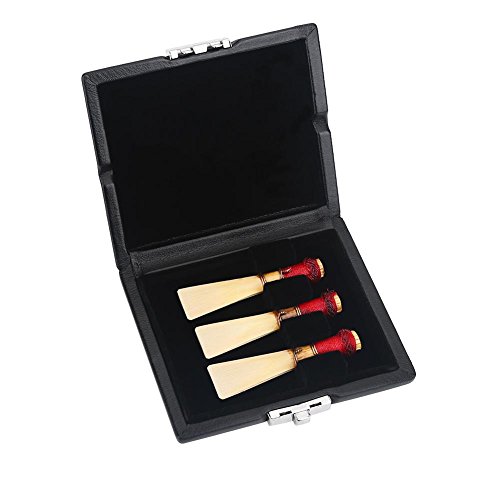
- PU Leather Bassoon Reed Case Bassoon Reeds Case, Reeds Box Holder Black Reed Container Box Hold 3pcs for
- Bassoon Reeds Jones Bassoon Reed Medium Soft Bamboo 5 Pcs Good Quality New Bassoon Reeds Reed Medium Instrument Accessories
Scales and Technical Exercises
Dedicate time to scales and technical exercises. Start with major and minor scales, focusing on accurate fingerings and intonation. Play each scale slowly, then gradually increase your speed. Include arpeggios and interval exercises to further enhance your technical skills. Setting aside 10 to 15 minutes for these exercises can significantly improve your playing ability.
Repertoire Selection
Choose a variety of pieces to keep your practice sessions engaging and diverse. Start with simple melodies that are within your skill level, and gradually progress to more complex works as your confidence grows. It's important to balance your repertoire with pieces that challenge you while also allowing you to enjoy the music. Aim for 2 to 3 pieces to work on each week.
Listening and Imitation
Listening to professional bassoonists can greatly enhance your understanding of the instrument. Spend time listening to recordings of renowned bassoonists, paying close attention to their tone, articulation, and musical interpretation. Try to imitate their style during your practice sessions. This not only develops your ear but also helps you understand the nuances of bassoon playing.
Record Your Practice
Recording your practice sessions can provide valuable insights into your progress. Use your smartphone or any recording device to capture your playing. Listening back will help you identify areas that need improvement, such as tone quality or rhythm. Make it a habit to record yourself at least once a week to monitor your growth.
Seek Feedback
Don’t hesitate to seek feedback from teachers or more experienced bassoonists. Constructive criticism can help you refine your technique and avoid developing bad habits. Consider scheduling regular lessons or joining a local music group where you can learn from others and share your experiences.
Use of Technology
Incorporate technology into your practice routine. Numerous apps are available that provide metronomes, tuners, and backing tracks, which can enhance your practice sessions. Using these tools can help you develop a better sense of timing and pitch, crucial skills for every musician.